
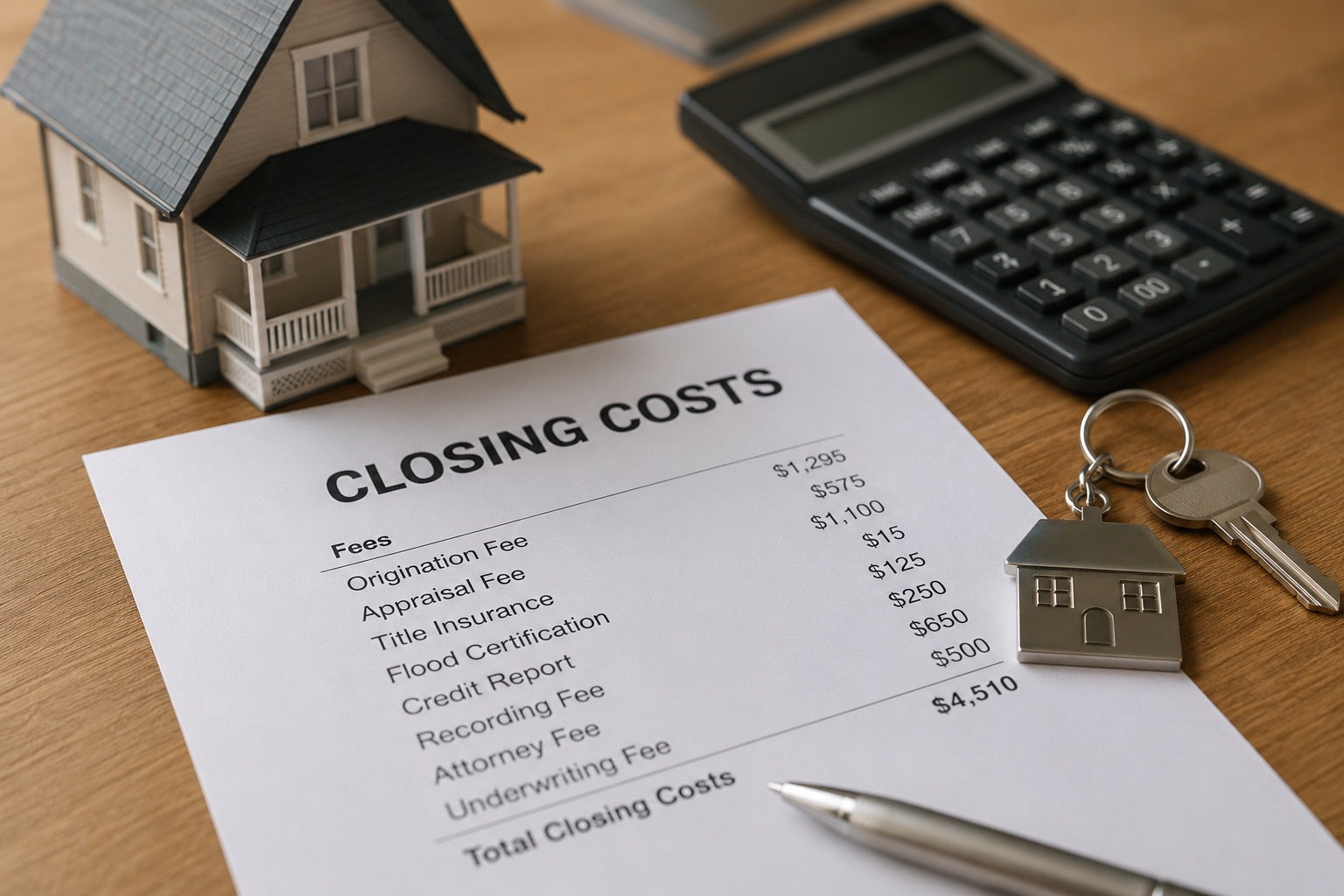
Buying a home is one of the biggest financial decisions you’ll make, whether you’re a first-time buyer, relocating to Fort Bend County, or investing in real estate in West Houston. While many buyers focus on the down payment and monthly mortgage, closing costs are another major expense that can catch buyers off guard if they are not prepared. If you are planning to purchase a home in Sugar Land, Missouri City, Richmond, Rosenberg, or surrounding areas, understanding closing costs can help you budget more effectively and avoid surprises at the closing table.
What Are Closing Costs?
Closing costs are the fees and expenses paid when finalizing a real estate transaction. These costs are separate from your down payment and are typically paid on the day you officially take ownership of the property.
In Texas, buyers generally pay between 2% and 5% of the home’s purchase price in closing costs. The exact amount depends on the loan type, lender, property taxes, and other transaction specific fees.
For example:• On a $300,000 home, closing costs may range from $6,000 to $15,000.
• On a $500,000 home in Sugar Land or West Houston, buyers may expect even higher costs due to property taxes and lender requirements.
Common Closing Costs Buyers Should Expect:
1. Loan Origination Fees:
Mortgage lenders charge origination fees for processing and underwriting your loan. These fees can include administrative costs and lender service charges.
2. Appraisal Fees:
Your lender will require a professional appraisal to confirm the home’s market value before approving financing.
3. Home Inspection Fees:
Although optional, home inspections are highly recommended. Buyers in Richmond, Rosenberg, and Missouri City often use inspections to uncover structural issues, HVAC problems, roof damage, or plumbing concerns before closing.
4. Title Insurance:
Texas is a title insurance state, meaning buyers commonly purchase title insurance to protect against ownership disputes or title defects.
5. Escrow Fees:
Escrow companies manage funds and documents during the transaction. These fees are part of the closing process and vary by provider.
6. Property Taxes:
Texas property taxes can be significant, especially in Fort Bend County. Buyers usually prepay a portion of property taxes at closing.
7. Homeowners Insurance:
Most lenders require buyers to prepay the first year of homeowners insurance coverage before the loan is finalized.
8. HOA Fees:
Many communities in Sugar Land and West Houston have homeowners associations. Buyers may need to pay HOA transfer fees or prorated dues at closing.
9. Attorney or Recording Fees:
Certain legal and county recording fees are necessary to officially transfer ownership and record the deed.
Who Pays Closing Costs in Texas?
Both buyers and sellers typically pay closing costs, but the exact breakdown depends on negotiations.
Buyers Often Pay:
• Lender fees
• Appraisal and inspection costs
• Title policy (in many Texas transactions)
• Prepaid taxes and insurance
• Escrow account funding
Sellers Often Pay:
• Real estate agent commissions
• Title transfer fees
• Property tax prorations
• Seller concessions
In competitive markets like Sugar Land and West Houston, buyers may pay more of their own closing costs. In slower markets, buyers may negotiate seller concessions to reduce out-of-pocket expenses.
Can Closing Costs Be Negotiated?
Yes. Many buyers do not realize that closing costs are negotiable.
You may be able to:
• Ask the seller to contribute toward closing costs
• Compare lenders for lower fees
• Negotiate title company charges• Roll some costs into the mortgage loan (if eligible)
A knowledgeable local real estate professional can help buyers in Missouri City, Richmond, Rosenberg, and throughout Fort Bend County identify opportunities to save money during negotiations.
How to Prepare for Closing Costs:
Budget Early:
Before shopping for homes, ask your lender for a detailed Loan Estimate outlining expected closing costs.
Build an Emergency Fund:
Avoid spending all your savings on the down payment. Unexpected expenses often arise during inspections or move-in.
Improve Your Credit Score:
Higher credit scores may help buyers secure lower interest rates and better loan terms, potentially reducing some loan-related fees.
Explore Assistance Programs:
First-time buyers in Texas may qualify for down payment or closing cost assistance programs.
Closing Costs in Fort Bend County and West Houston:
Homebuyers relocating to Fort Bend County are often surprised by how property taxes impact closing expenses. Communities like Sugar Land and Missouri City offer excellent schools, master-planned neighborhoods, and strong resale value, but tax rates may increase monthly mortgage payments and upfront escrow requirements. Richmond and Rosenberg often provide more affordable housing options, making them attractive for first-time buyers and growing families looking to maximize value while staying close to Houston employment centers. West Houston continues to attract professionals and investors seeking newer construction homes, luxury communities, and convenient access to major business districts.Understanding local market conditions and closing expenses can help buyers make informed financial decisions before purchasing a home.
Final Thoughts
Closing costs are a critical part of the homebuying process that every buyer should understand before making an offer. Whether you are purchasing your first home in Rosenberg, relocating to Sugar Land, or investing in West Houston real estate, planning ahead can reduce stress and help ensure a smooth transaction. Working with experienced local real estate professionals and lenders can help you better understand the true cost of purchasing a home and avoid unexpected surprises at closing.
FAQs About Closing Costs:
Q: How much are closing costs for a home in Texas?
A: Closing costs in Texas typically range from 2% to 5% of the home purchase price, depending on the loan type, taxes, and lender fees.
Q: Can a seller pay the buyer’s closing costs?
A: Yes. Sellers can contribute toward buyer closing costs through negotiated seller concessions, depending on market conditions and loan guidelines.
Q: Are closing costs included in the mortgage?
A: Some closing costs may be rolled into the loan if the lender allows it, but many expenses must still be paid upfront at closing.